Puddles and Pareidolia
The Science (and Magic) of Puddleverse.
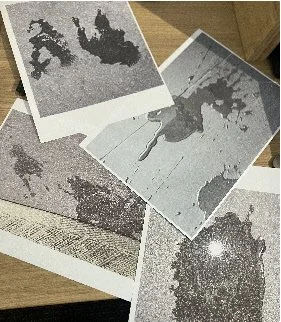
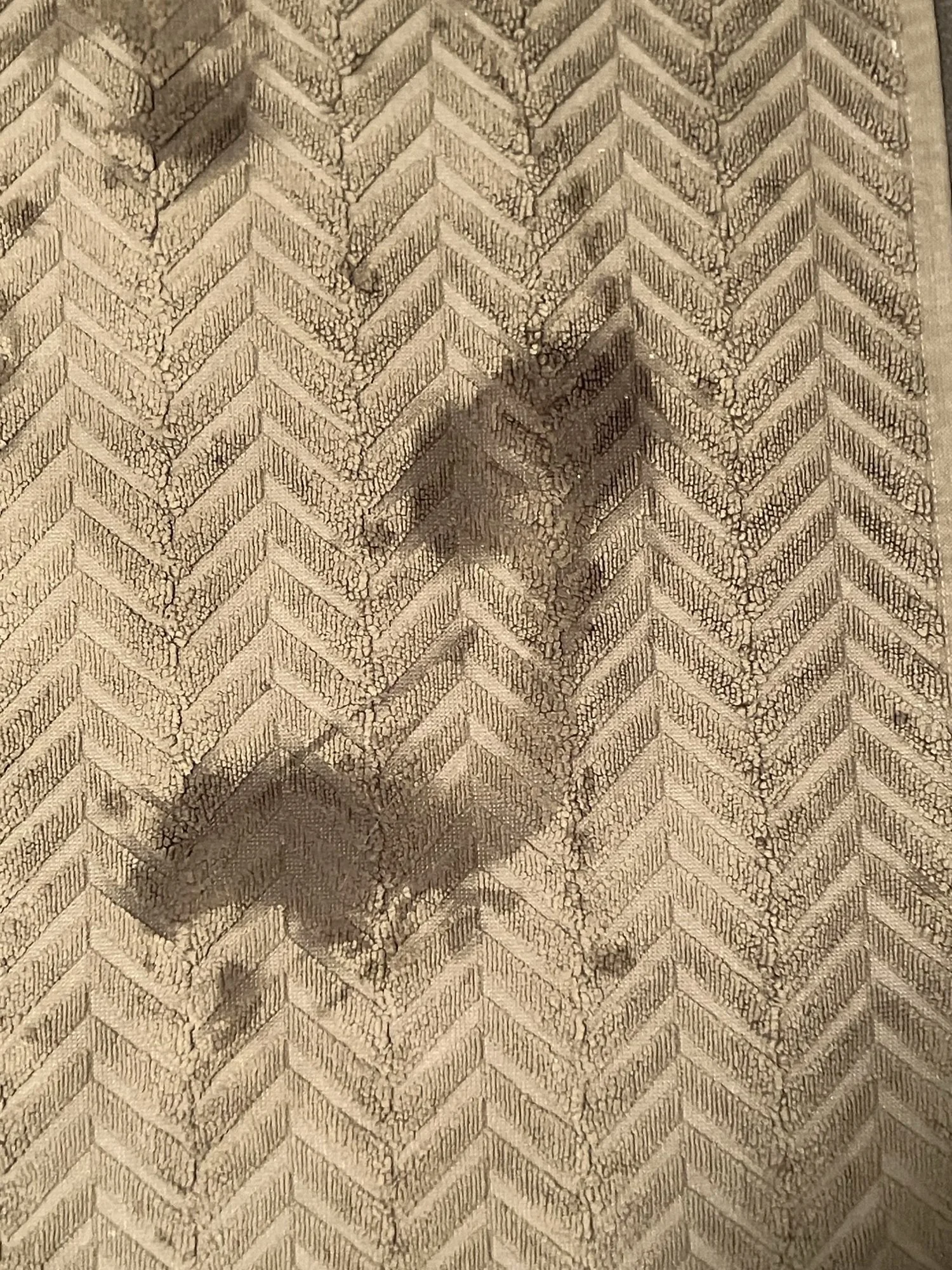
Pareidolia (it’s an actual thing!) is your brain’s way of playing connect-the-dots with reality — except there are no dots, and reality didn’t ask to play. It’s the fancy scientific term for when we see meaningful shapes in random patterns: faces in clouds, animals in toast, or mysterious creatures lurking in puddles after a rain. Our brains are wired for it — evolution thought it would be super useful if we could spot faces and predators quickly. The downside is that now we all get excited about the face we think we see in a power socket. Congratulations, humanity, you’re living in a psychological magic show produced by your visual cortex.
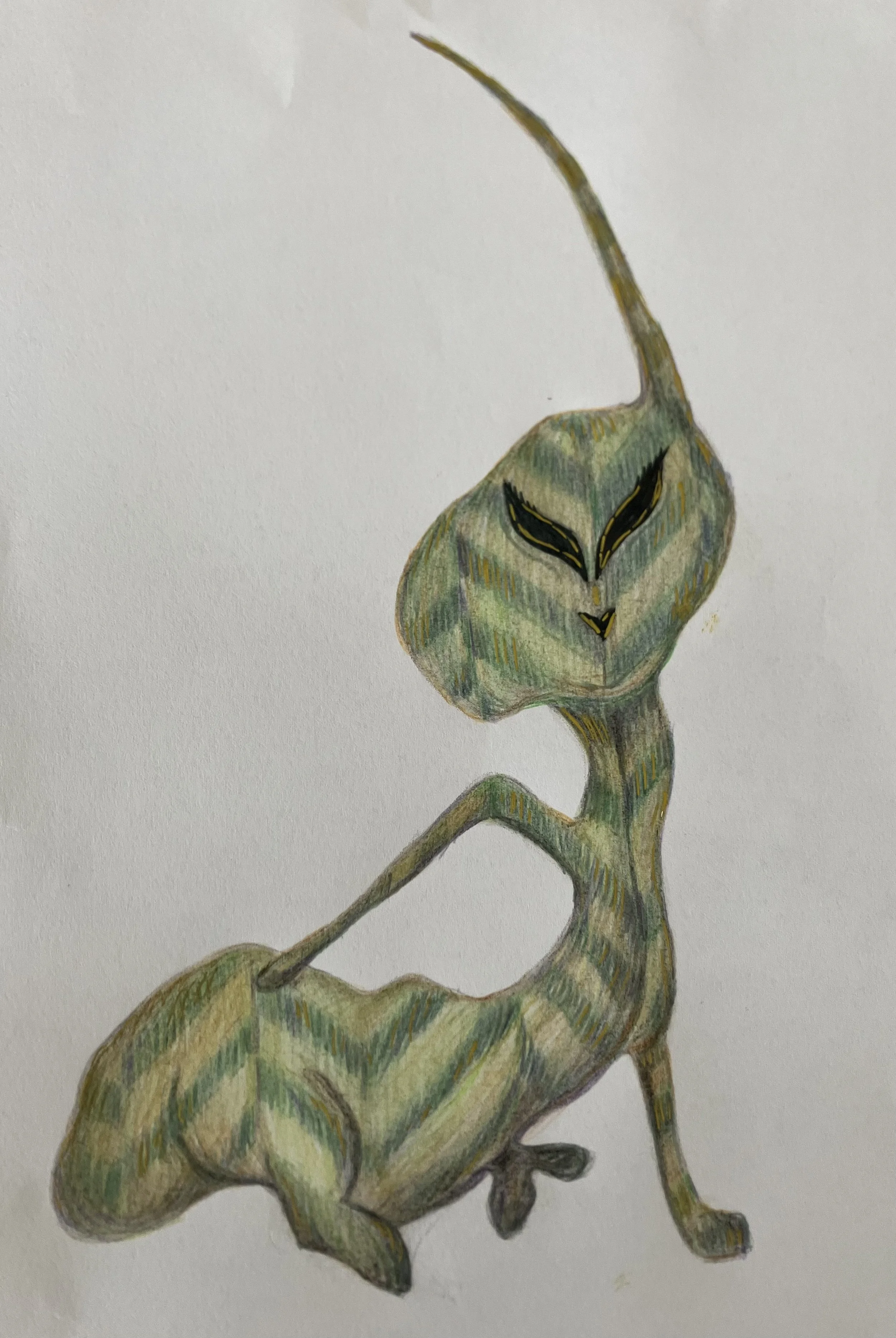
Puddleverse taps straight into this delightful wiring. A puddle isn’t just a puddle — it’s a Splash Dragon, a Mud Monstar, or a Drizzle Beast waiting for a name and a story. Kids are naturals at this; their brains haven’t yet been smothered by spreadsheets and email. But adults? Adults need a reminder that imagination isn’t something you outgrow — it’s something you forget to water. When we look into puddles and see creatures staring back, we’re exercising the same creative muscles that once helped early humans imagine stories, build tools, and eventually paint bison on cave walls.
Even Leonardo da Vinci was a proud pareidolia enthusiast. He advised artists to stare at stained walls or clouds until faces, figures, and battles appeared. That’s right — the guy who painted the Mona Lisa was basically telling people to daydream at water damage. So, when you or your kids step into the Puddleverse, you’re not just playing in the rain — you’re participating in one of the oldest creative traditions in human history. Except with more splashing and fewer cave walls.
“A splash of science, a swirl of imagination!”